











MEET THE ANIMALS!
Discover the amazing animals our Rangers help around the world!
SAVANNA & GRASSLANDS
Wide open plains with tall grass and big skies.
SAVANNA & GRASSLANDS
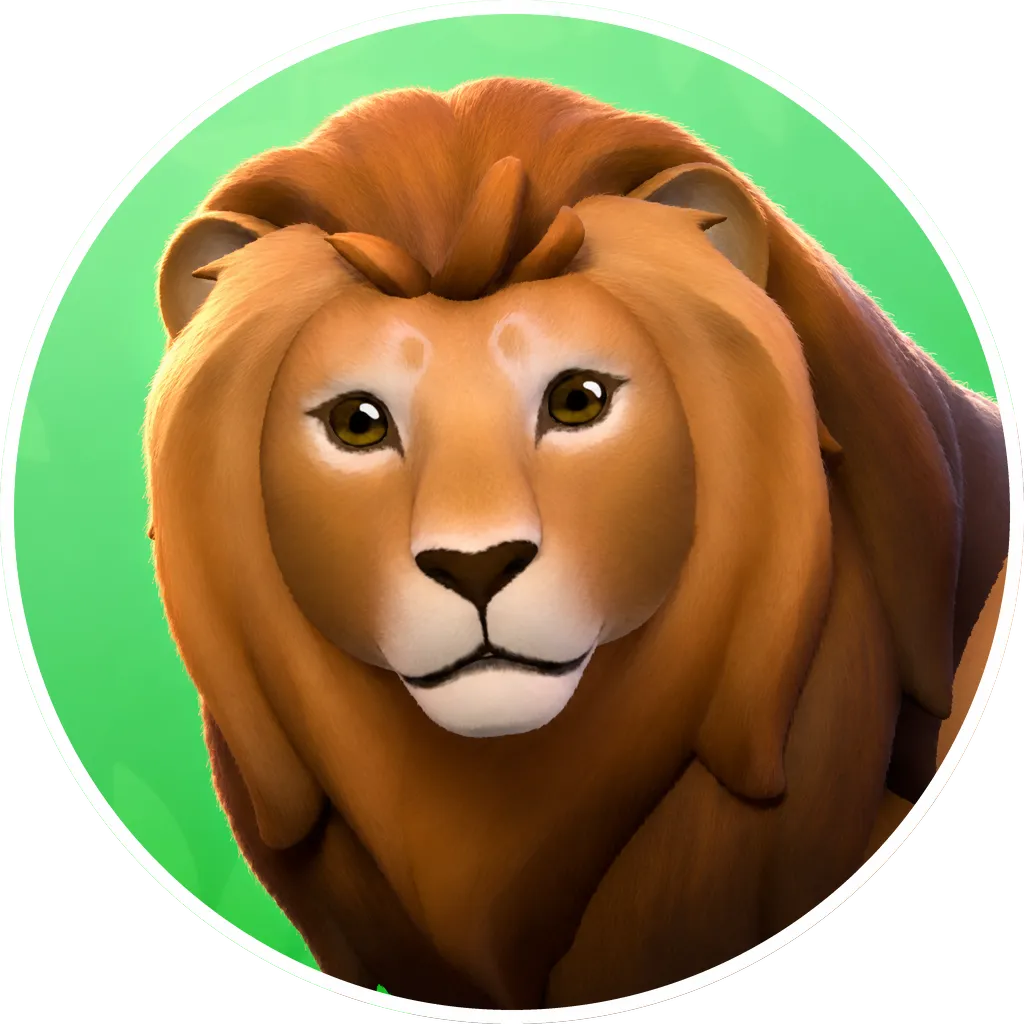
LION
Lions are big, powerful cats that live together in family groups called prides. The lionesses work as a team to hunt, while the male with the big mane helps protect the family.
FUN FACTS
 A lion's roar can be heard up to 5 miles away.
- Lions can sleep for up to 20 hours a day.
- A male lion's mane gets darker as he gets older.
QUICK FACTS
- HABITAT
- Grasslands, savanna and open woodland
- FOUND IN
- Africa, south of the Sahara, plus Gir Forest in India
- DIET
- Carnivore: zebra, wildebeest, buffalo
- SIZE
- Up to 8 ft long and 420 lb
- LIFESPAN
- 10-14 years in the wild
CONSERVATION STATUS
Vulnerable
- Vulnerable
Lion is listed as Vulnerable on the IUCN Red List.
FORESTS & JUNGLES
Leafy, misty and full of hidden creatures.

FORESTS & JUNGLES
MOUNTAIN GORILLA
Mountain gorillas live high up in misty mountain forests. They live in family groups led by a big male called a silverback, and spend most of the day eating leaves and resting.
FUN FACTS
- Every gorilla has its own nose print, like a fingerprint.
- Gorillas build a new nest of leaves to sleep in every night.
- A silverback can eat about 65 lb of plants a day.
QUICK FACTS
- HABITAT
- Misty mountain rainforests
- FOUND IN
- Rwanda, Uganda and the Democratic Republic of the Congo
- DIET
- Herbivore: leaves, shoots and stems
- SIZE
- Up to 5.6 ft tall and 485 lb
- LIFESPAN
- About 35-40 years
CONSERVATION STATUS
Endangered
- Endangered
Mountain Gorilla is listed as Endangered on the IUCN Red List.
FORESTS & JUNGLES
Leafy, misty and full of hidden creatures.
FORESTS & JUNGLES
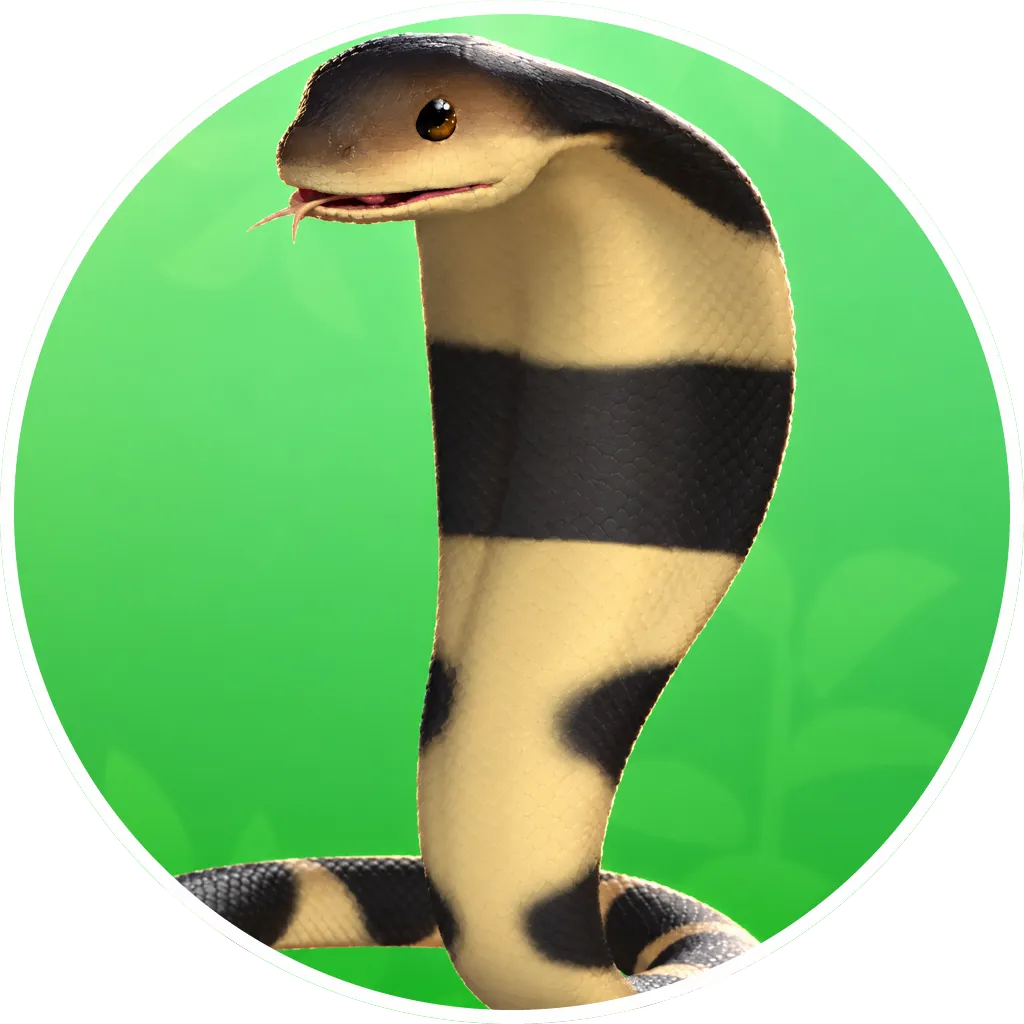
KING COBRA
The king cobra is the longest venomous snake in the world. When it feels threatened, it lifts its head off the ground, spreads its hood and makes a low growling hiss.
FUN FACTS
- It can raise a third of its body off the ground.
- It is the only snake that builds a nest for its eggs.
- King cobras mostly eat other snakes.
QUICK FACTS
- HABITAT
- Rainforests, bamboo thickets and mangroves
- FOUND IN
- South and Southeast Asia
- DIET
- Carnivore: mostly other snakes
- SIZE
- Up to 18 ft long
- LIFESPAN
- About 20 years
CONSERVATION STATUS
Vulnerable
- Vulnerable
King Cobra is listed as Vulnerable on the IUCN Red List.
FORESTS & JUNGLES
Leafy, misty and full of hidden creatures.
FORESTS & JUNGLES
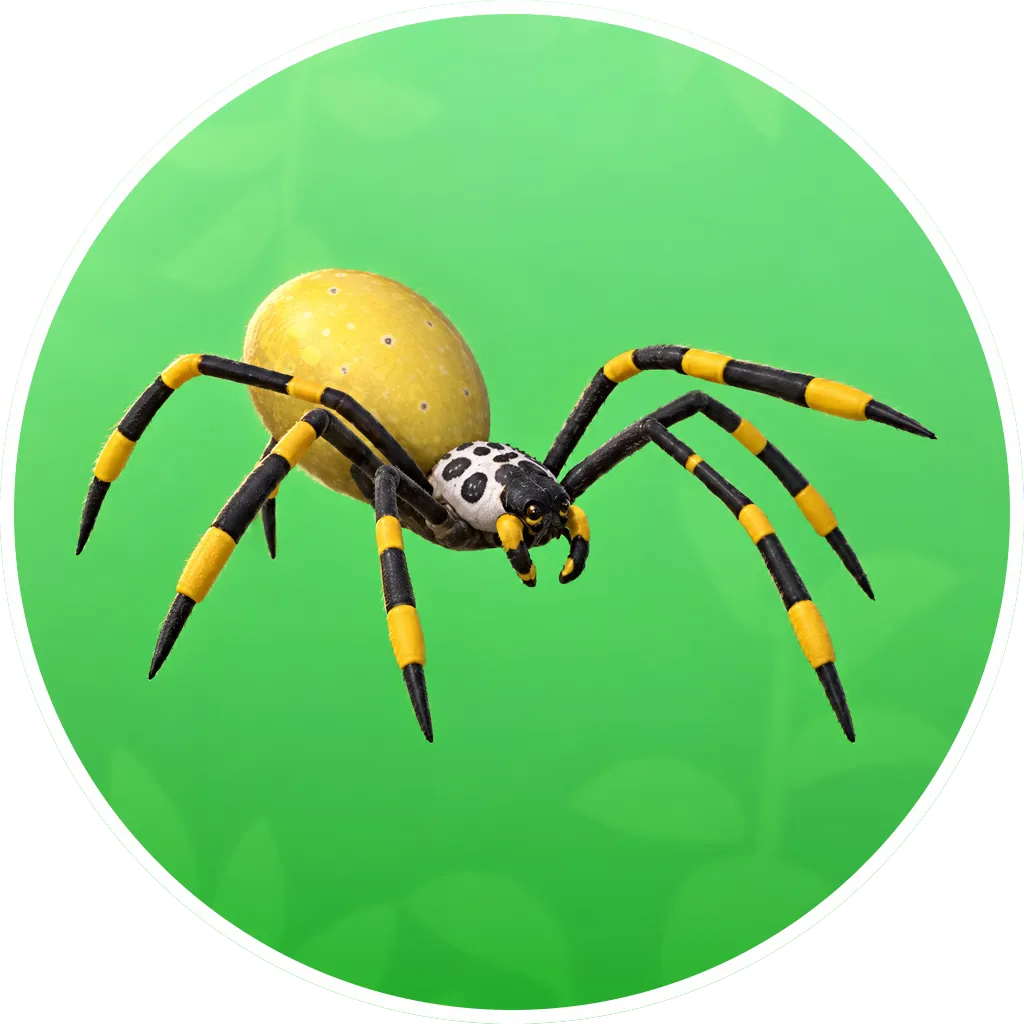
GOLDEN SILK SPIDER
Golden silk orb-weavers are big spiders that spin huge, wheel-shaped webs between trees. Their silk shines a golden color in the sunlight, which may help attract insects.
FUN FACTS
- Their silk really does look golden in sunlight.
- A single web can be more than 3 ft wide.
- The females are many times bigger than the males.
QUICK FACTS
- HABITAT
- Warm forests, swamps and gardens
- FOUND IN
- Warm regions of the Americas, Africa, Asia and Australia
- DIET
- Carnivore: insects caught in its web
- SIZE
- Legs span up to 5 in (females)
- LIFESPAN
- About 1 year
CONSERVATION STATUS
RIVERS & WETLANDS
Where land meets water: swamps, marshes and muddy banks.
RIVERS & WETLANDS
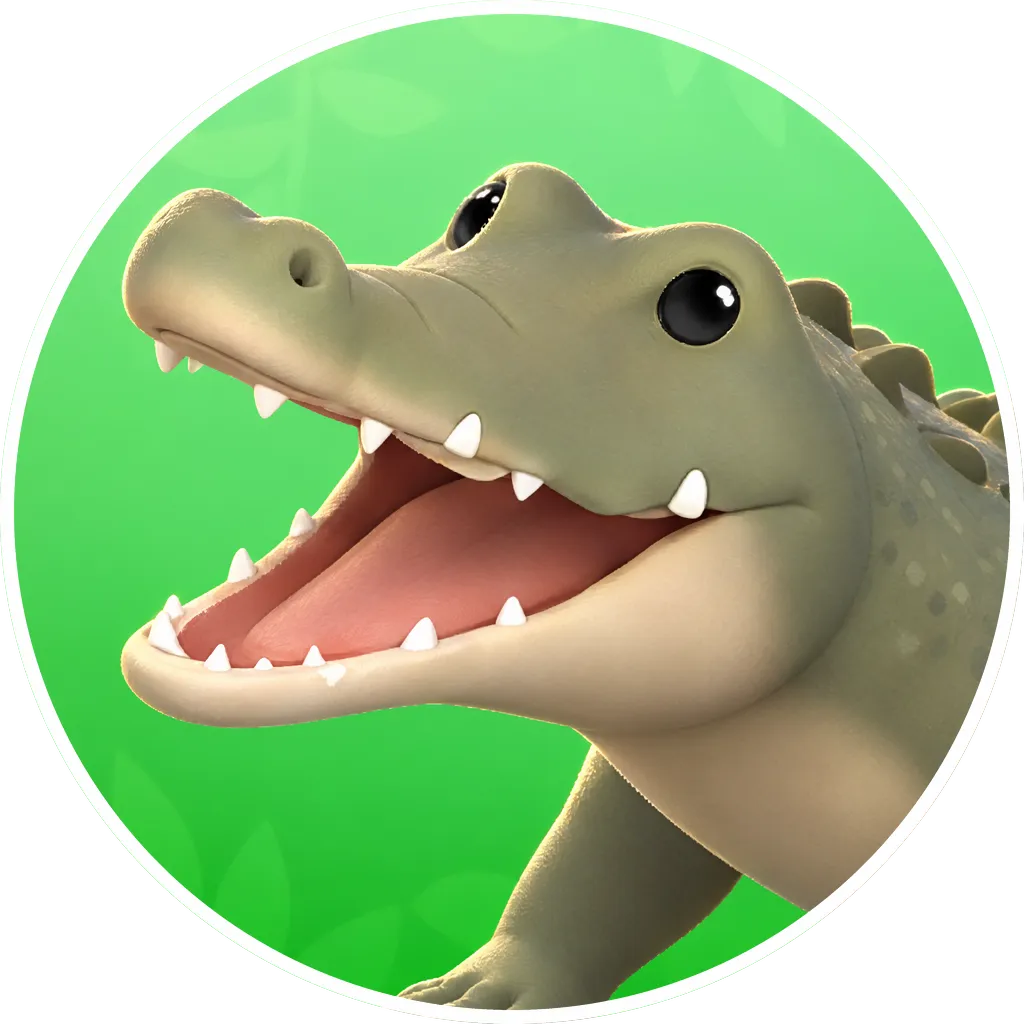
CROCODILE
Saltwater crocodiles are the biggest reptiles alive today. They can swim in rivers and out at sea, and lie very still in the water with only their eyes and nose showing.
FUN FACTS
- They have the strongest bite ever measured.
- A crocodile can hold its breath for over an hour.
- Crocodiles can't stick out their tongues.
QUICK FACTS
- HABITAT
- Rivers, estuaries, mangroves and coasts
- FOUND IN
- Northern Australia, Southeast Asia and eastern India
- DIET
- Carnivore: fish, birds and mammals
- SIZE
- Up to 20 ft long
- LIFESPAN
- About 70 years
CONSERVATION STATUS
Least Concern
- Least Concern
Crocodile is listed as Least Concern on the IUCN Red List.
RIVERS & WETLANDS
Where land meets water: swamps, marshes and muddy banks.
RIVERS & WETLANDS
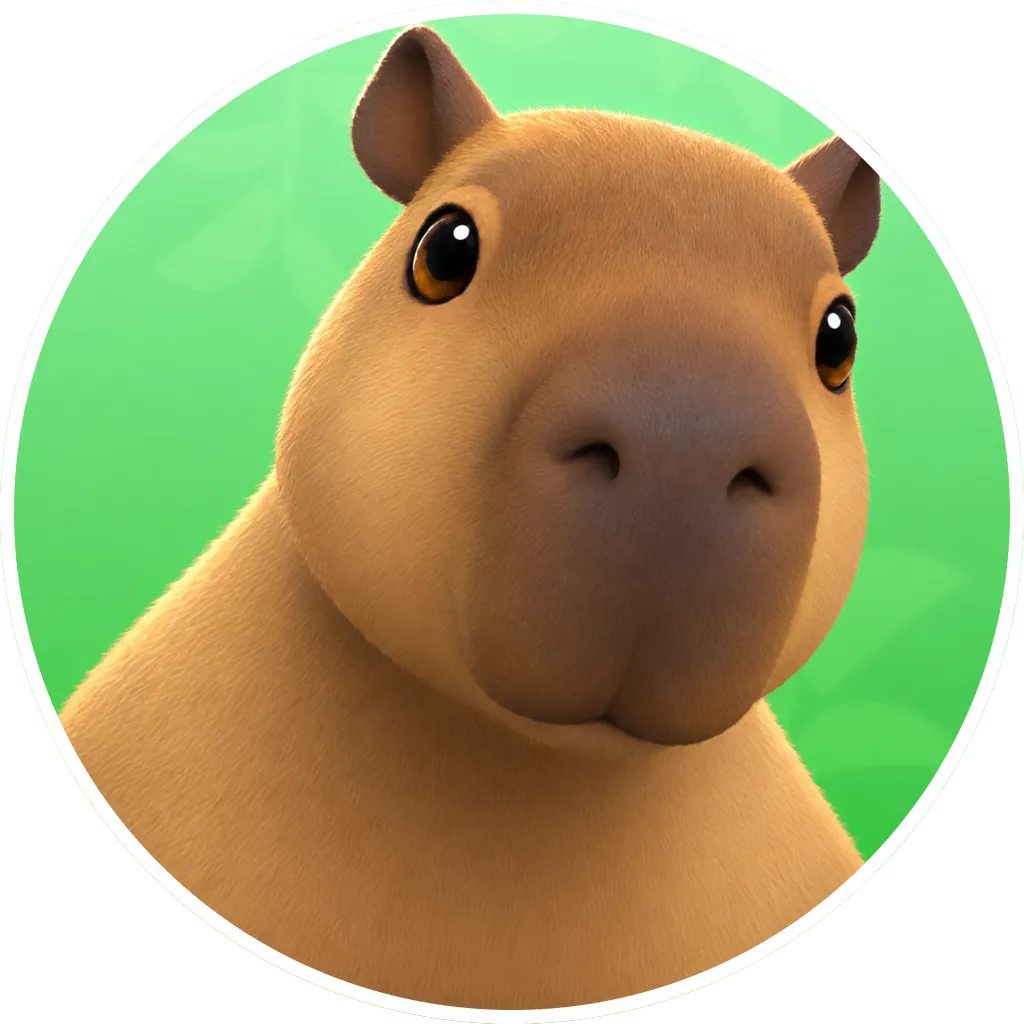
CAPYBARA
Capybaras are the biggest rodents in the world. They are calm, friendly animals that live in groups near water, and love to cool off with a swim.
FUN FACTS
- Capybaras have webbed toes for swimming.
- They can stay underwater for about 5 minutes.
- Birds often ride on a capybara's back to eat bugs.
QUICK FACTS
- HABITAT
- Rivers, lakes, swamps and marshes
- FOUND IN
- Most of South America, east of the Andes
- DIET
- Herbivore: grasses and water plants
- SIZE
- About 4 ft long and up to 145 lb
- LIFESPAN
- 8-10 years
CONSERVATION STATUS
Least Concern
- Least Concern
Capybara is listed as Least Concern on the IUCN Red List.
RIVERS & WETLANDS
Where land meets water: swamps, marshes and muddy banks.
RIVERS & WETLANDS
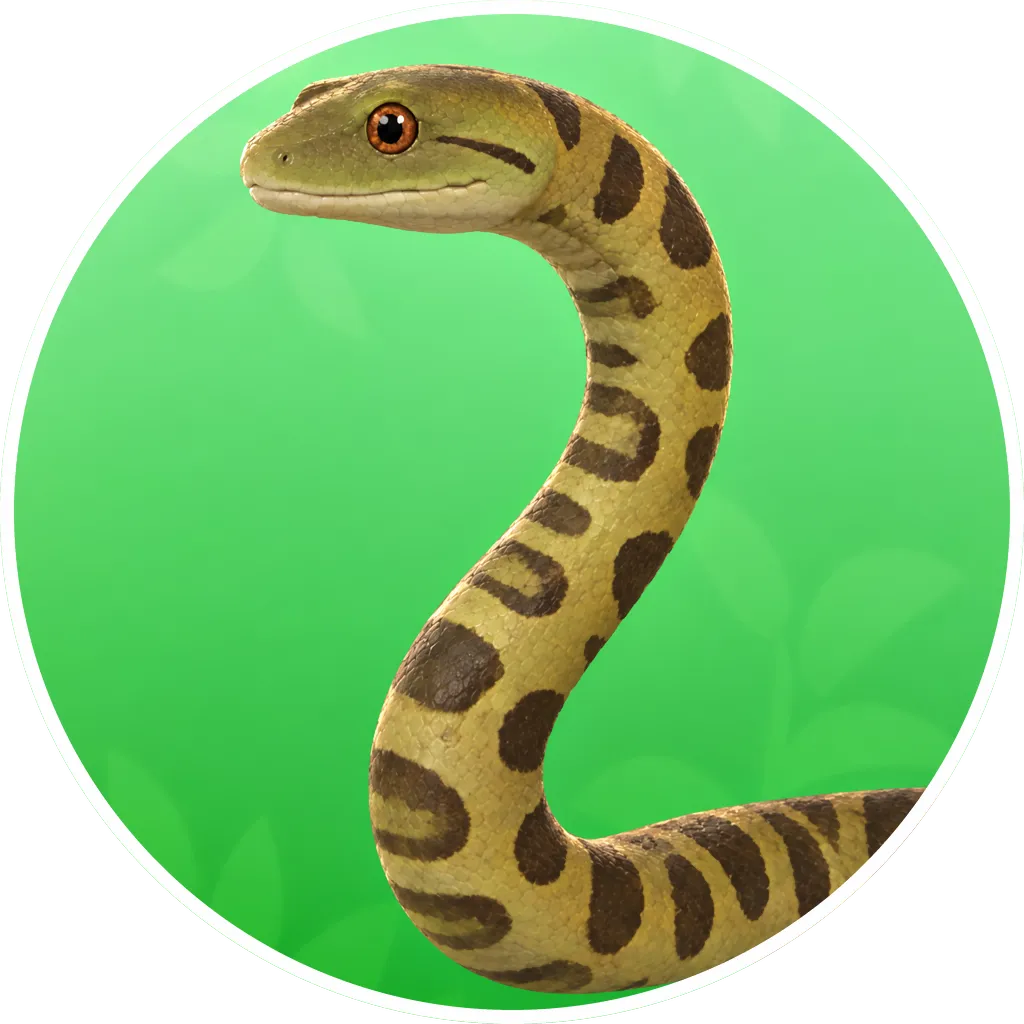
GREEN ANACONDA
The green anaconda is the heaviest snake on Earth. It spends most of its life in slow rivers and swamps, where the water holds up its weight and only its eyes and nostrils need to show above the surface.
FUN FACTS
- Its eyes and nostrils sit on top of its head, so it can watch and breathe while staying hidden.
- It has no venom. It coils around its prey and squeezes.
- A green anaconda can weigh more than 200 lb.
QUICK FACTS
- HABITAT
- Slow-moving rivers, swamps and flooded grassland
- FOUND IN
- Northern South America, mostly the Amazon and Orinoco basins
- DIET
- Carnivore: fish, birds, capybara and caiman
- SIZE
- Up to 20 ft long and over 200 lb
- LIFESPAN
- About 10 years in the wild
CONSERVATION STATUS
Least Concern
- Least Concern
Green Anaconda is listed as Least Concern on the IUCN Red List.
RIVERS & WETLANDS
Where land meets water: swamps, marshes and muddy banks.
RIVERS & WETLANDS
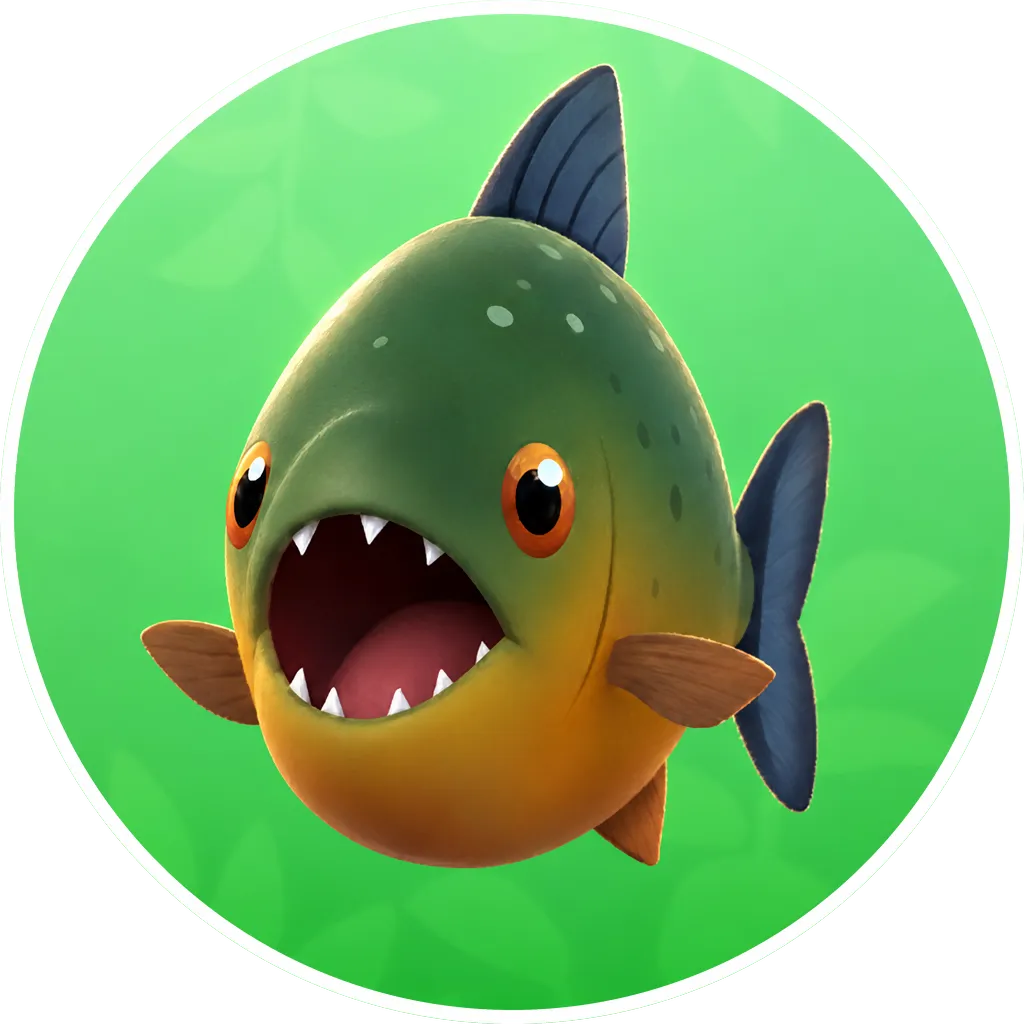
RED-BELLIED PIRANHA
Red-bellied piranhas live in the warm rivers of South America and swim together in large groups. They are famous for their teeth, but most of the time they eat insects, worms and smaller fish, and the shoal is really there to keep them safe from bigger hunters.
FUN FACTS
- Its teeth are replaced all through its life, so they stay sharp.
- Piranhas can make barking and croaking sounds.
- They swim in shoals for safety: river dolphins, caimans and birds all hunt them.
QUICK FACTS
- HABITAT
- Warm rivers, lakes and flooded forest
- FOUND IN
- The Amazon basin and other rivers of northern and central South America
- DIET
- Omnivore: insects, worms, fish and fruit
- SIZE
- Up to 13 in long
- LIFESPAN
- About 10 years
CONSERVATION STATUS
Least Concern
- Least Concern
Red-Bellied Piranha is listed as Least Concern on the IUCN Red List.
ISLANDS & OUTBACK
Hot, dry places and faraway islands.
ISLANDS & OUTBACK
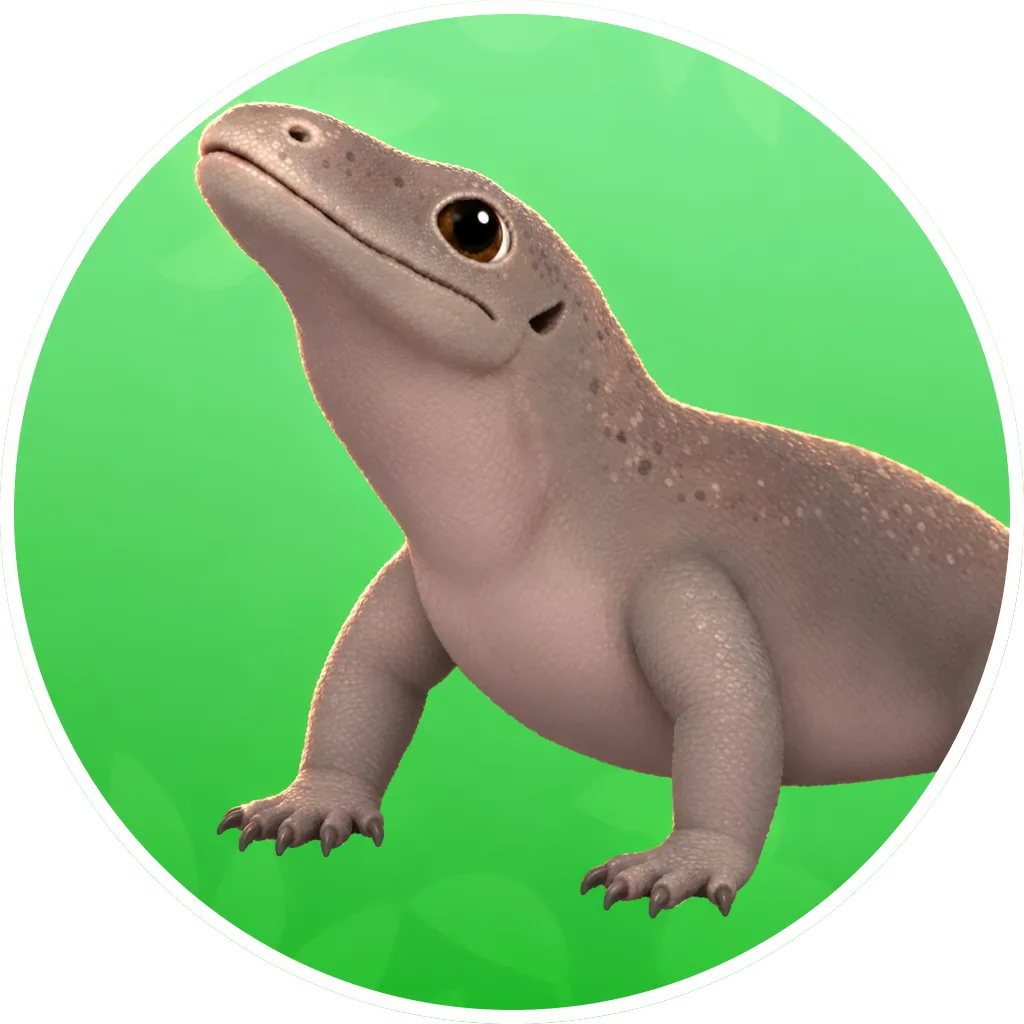
KOMODO DRAGON
Komodo dragons are the largest lizards in the world. They live on just a few islands in Indonesia and use their long, forked tongues to taste the air and find food.
FUN FACTS
- They can smell food from several miles away.
- Komodo dragons can run in short bursts up to 12 mph.
- Baby dragons climb trees to stay safe.
QUICK FACTS
- HABITAT
- Dry grasslands and forests on islands
- FOUND IN
- Komodo, Rinca, Flores and nearby islands in Indonesia
- DIET
- Carnivore: deer, pigs and carrion
- SIZE
- Up to 10 ft long and 155 lb
- LIFESPAN
- About 30 years
CONSERVATION STATUS
Endangered
- Endangered
Komodo Dragon is listed as Endangered on the IUCN Red List.
ISLANDS & OUTBACK
Hot, dry places and faraway islands.
ISLANDS & OUTBACK
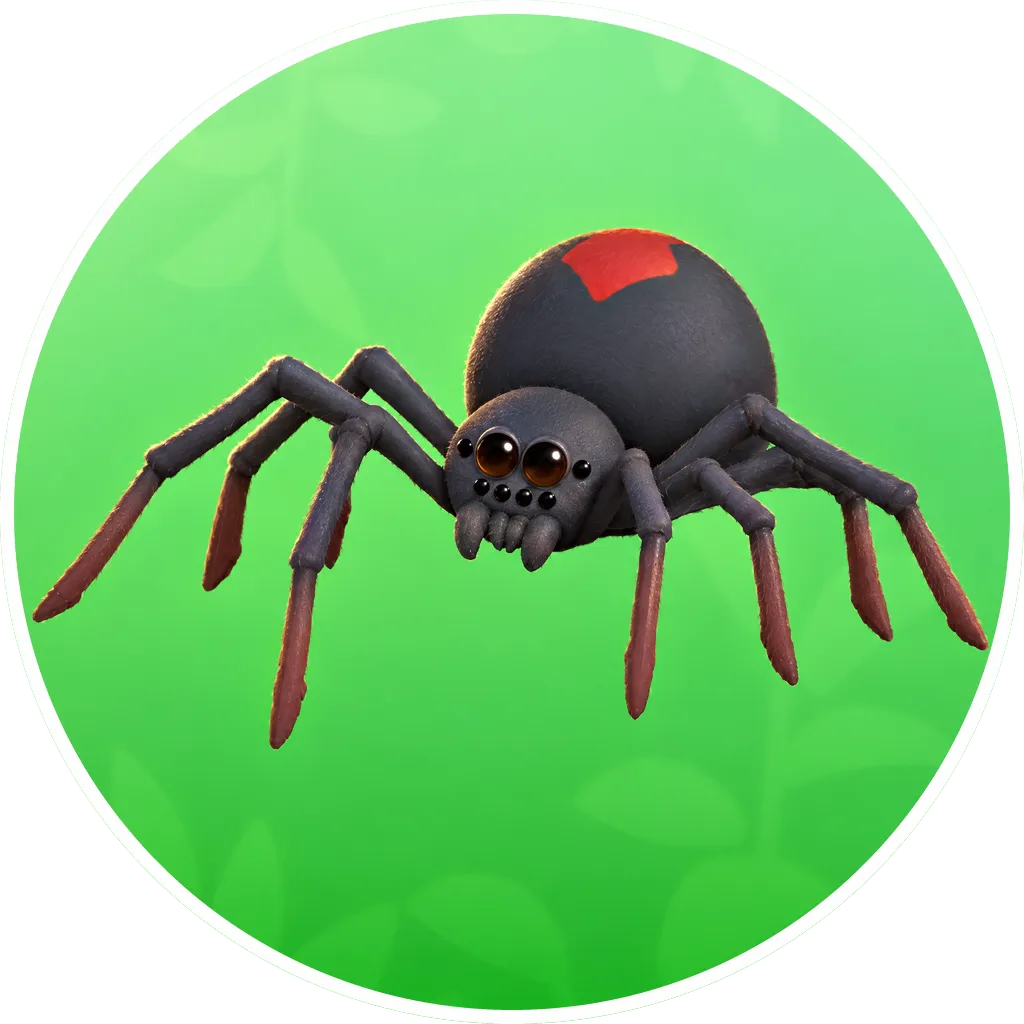
REDBACK SPIDER
Redback spiders are small black spiders with a red stripe on their back. They like dry, sheltered spots like logs, rocks and garden sheds. If you see one, look but don't touch!
FUN FACTS
- Only the females have the bright red stripe.
- Males are much smaller than females.
- They are close cousins of the black widow spider.
QUICK FACTS
- HABITAT
- Dry, sheltered spots, logs and sheds
- FOUND IN
- All across Australia
- DIET
- Carnivore: insects and small bugs
- SIZE
- Body about 0.4 in long (females)
- LIFESPAN
- 2-3 years (females)
CONSERVATION STATUS
BECOME A JUNIOR WILDLIFE RANGER
The adventure doesn't end when the episode does.
Join Leo's global community of Junior Wildlife Rangers and help your child explore the natural world, discover amazing wildlife and learn how small actions can make a big difference.
You get:
- Leo's Junior Ranger Newsletter
- A new printable activity every month
- Special offers for the Leo Kids Games App
- Members-only discounts at the Leo shop
It's free. Join today and help raise a generation that loves and protects nature and wildlife.
WELCOME TO THE CLUB!
Check your inbox - your first shop discount code and benefits are on the way.